

what is laminated glass
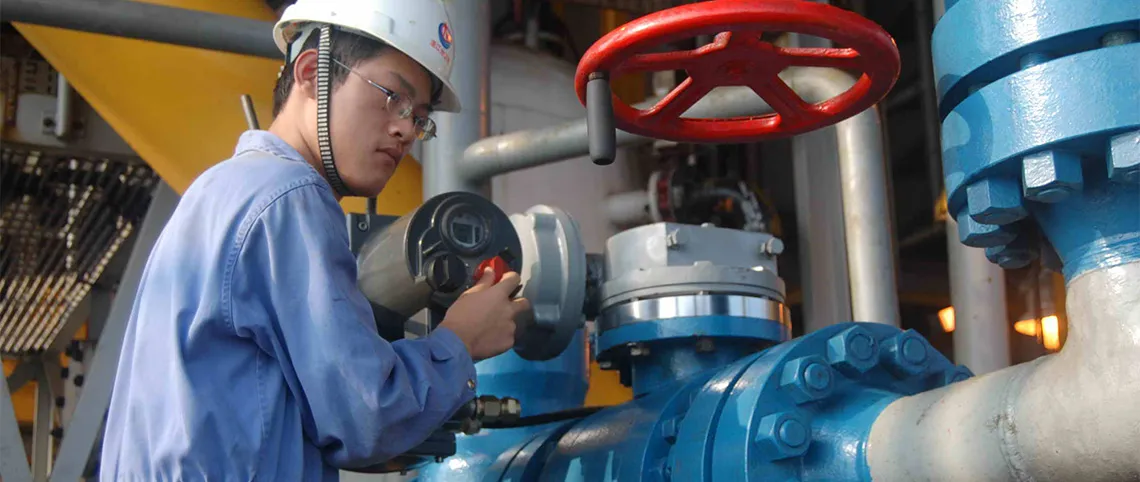
Understanding Pilot Operated Check Valves Pilot operated check valves are essential components in hydraulic systems, providing a robust solution for controlling the flow and preventing backflow. These valves combine the features of a standard check valve with those of a pilot control mechanism, enhancing their functionality and application in various industries. This article explores the operation, advantages, and applications of pilot operated check valves. Operation Principle A pilot operated check valve consists of two main parts the main valve and the pilot valve. The main valve is responsible for allowing fluid flow in one direction while preventing any reverse flow. The pilot valve, on the other hand, is controlled by external signals and modifies the conditions under which the main valve operates. When the system is pressurized in the desired flow direction, the pilot valve opens, allowing the pressure to act on the area beneath the main valve disc, keeping it in an open position. This design allows for normal operation, where fluid flows through the valve with minimal resistance. However, if the flow attempts to reverse, the pressure drops, and the pilot valve closes, allowing the main valve to shut and preventing backflow. This unique operation ensures that the system maintains its integrity and operates efficiently under various conditions. Advantages of Pilot Operated Check Valves 1. Minimal Pressure Drop One of the key benefits of pilot operated check valves is their low pressure drop across the valve. Traditional check valves can exhibit higher pressure drops due to their simpler design, which can impede performance in hydraulic circuits. In contrast, pilot operated check valves maintain a smooth flow path during operation, thus optimizing system efficiency. 2. Enhanced Control The ability to control the pilot valve externally means operators can dictate specific operational parameters more precisely. This enhances control over the hydraulic system, allowing it to respond effectively to varying demands and operating conditions. pilot operated check valve 3. Preventing Unwanted Movement In applications where load holding is critical, pilot operated check valves provide reliable protection against unexpected movement . For instance, in hydraulic lifting systems, these valves ensure that a lifted load remains secure in case of a power failure or system malfunction. 4. Versatility Pilot operated check valves are adaptable and can be used in a variety of settings, from construction equipment to industrial machinery. Their versatility makes them a popular choice in industries that require fluid power systems, including manufacturing, automotive, and aerospace. Applications The applications of pilot operated check valves are extensive, spanning a myriad of industries. In mobile equipment, such as excavators and cranes, these valves are crucial for maintaining load stability during operation. They prevent the sudden drop of loads if a hydraulic failure occurs, thereby improving safety and reliability. In stationary hydraulic systems, such as those found in manufacturing plants, pilot operated check valves are used to manage fluid flow in complex piping layouts. Their efficiency helps in reducing energy consumption, making them an integral component in modern hydraulic solutions. Moreover, in the oil and gas industry, these check valves help regulate the flow of fluids in high-pressure environments, ensuring the safe transportation of materials. Their ability to handle high fluid velocities while preventing backflow makes them indispensable in such critical applications. Conclusion Pilot operated check valves offer exceptional control and reliability in hydraulic systems, making them vital components across various industries. Their unique operational mechanism provides numerous advantages, such as minimal pressure drop, enhanced control, and versatility, making them suitable for diverse applications. As industries continue to evolve and demand more efficiency and safety, the role of pilot operated check valves will undoubtedly remain significant in fluid power technology.
about
what is laminated glass
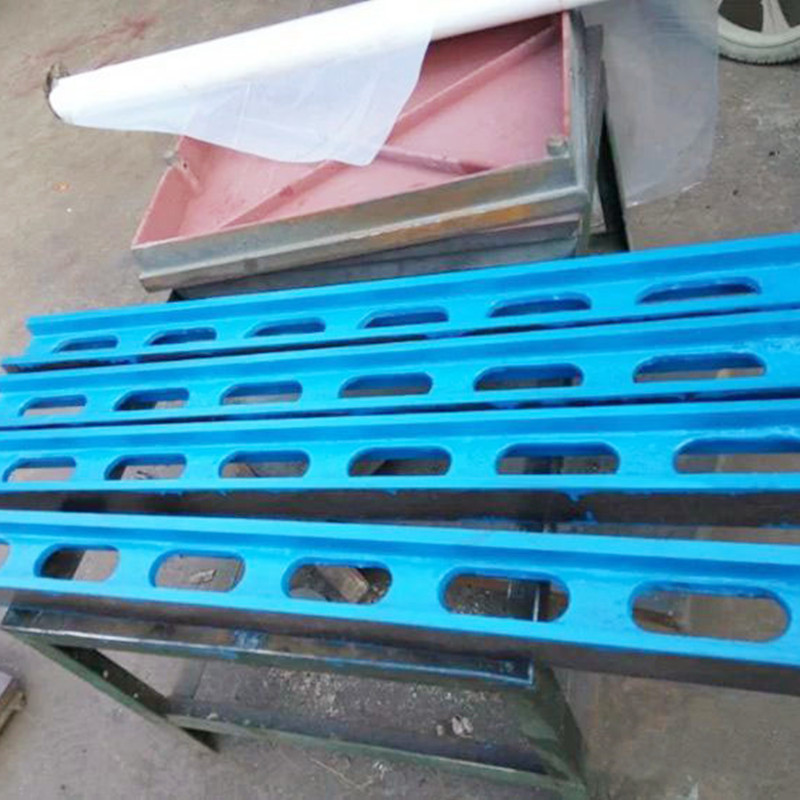
Understanding the Significance of Brace Plate Right Angle Brackets in Structural Engineering In the realm of construction and engineering, the role of seemingly insignificant components often belies their immense importance in ensuring structural stability and integrity. Among these unsung heroes, the brace plate right angle bracket stands out as a vital element in reinforcing joints and connections. This article delves into the intricacies of this component, its applications, and the reasons behind its ubiquitous presence in various engineering projects. **Introduction to Brace Plate Right Angle Brackets** A brace plate right angle bracket, simply put, is a metal plate fabricated into a 90-degree angle shape, designed to provide additional support and reinforcement at joints where two structural members intersect, typically perpendicular to each other. Made from materials like steel or aluminum due to their strength and durability, these brackets are an essential part of a structural engineer's arsenal, enhancing the overall rigidity and load-bearing capacity of a structure. **Functionality and Design Considerations** The primary function of a brace plate right angle bracket is to distribute forces evenly across a joint, thereby reducing stress concentrations that could lead to failure. Its design is meticulously calculated to resist shear, tension, and compression forces, ensuring that the connected members remain steadfast under duress. Key design considerations include the thickness and width of the plate, material strength, and the type of connection it facilitates (e.g., bolted, welded). **Applications Across Diverse Industries** The versatility of brace plate right angle brackets makes them indispensable across numerous sectors 1. **Construction** In buildings, they reinforce connections between beams, columns, and braces, particularly in seismic zones where structures must withstand lateral forces from earthquakes. 2. **Bridge Engineering** Bridges rely heavily on these brackets to strengthen truss connections and support heavy loads while minimizing vibrations **Bridge Engineering** Bridges rely heavily on these brackets to strengthen truss connections and support heavy loads while minimizing vibrations **Bridge Engineering** Bridges rely heavily on these brackets to strengthen truss connections and support heavy loads while minimizing vibrations **Bridge Engineering** Bridges rely heavily on these brackets to strengthen truss connections and support heavy loads while minimizing vibrations brace plate right angle bracket . 3. **Renewable Energy** Wind turbine towers employ these brackets to the tower's lattice structure, ensuring it can withstand high winds and torque from the spinning blades. 4. **Industrial Infrastructure** Factories and warehouses use them in racking systems and mezzanine floors to enhance stability and safety under heavy loads. **Advantages Over Traditional Connection Methods** Compared to traditional joining methods like mortise and tenon or simple bolting, brace plate right angle brackets offer several advantages - **Ease of Installation** Their standardized shapes and sizes facilitate quick and precise installation, reducing construction time and labor costs. - **Adjustability** They allow for some degree of adjustability during assembly, crucial for achieving precise alignments in complex structures. - **Strength and Durability** The use of high-strength materials and precise engineering ensures long-lasting performance even in harsh environments. - **Enhanced Safety** By reinforcing joints, they significantly reduce the risk of structural collapse, enhancing overall safety. **Conclusion** The humble brace plate right angle bracket, though often overlooked, is a cornerstone of modern engineering. Its effectiveness in reinforcing structures, coupled with the ease of implementation and adaptability to various applications, underscores its significance in ensuring safety, longevity, and efficiency in construction projects worldwide. As technology advances and construction practices evolve, the design and application of these brackets will undoubtedly continue to refine, further solidifying their position as a fundamental component in the architectural lexicon. Understanding and appreciating their role is vital for engineers, architects, and constructors alike, as they strive to erect structures that stand the test of time.
-

High quality industrial productsagement

High quality industrial products
View Details -

Meet the diverse needs of customers

Meet the diverse needs of customers
View Details -

Strict quality control

Strict quality control
View Details -

Top raw materials

Top raw materials
View Details -

Trusted supplier

Trusted supplier
View Details
Our application

news and information
using a thread gauge
Using a Thread Gauge A Comprehensive Guide Threads are an essential component in countless mechanica
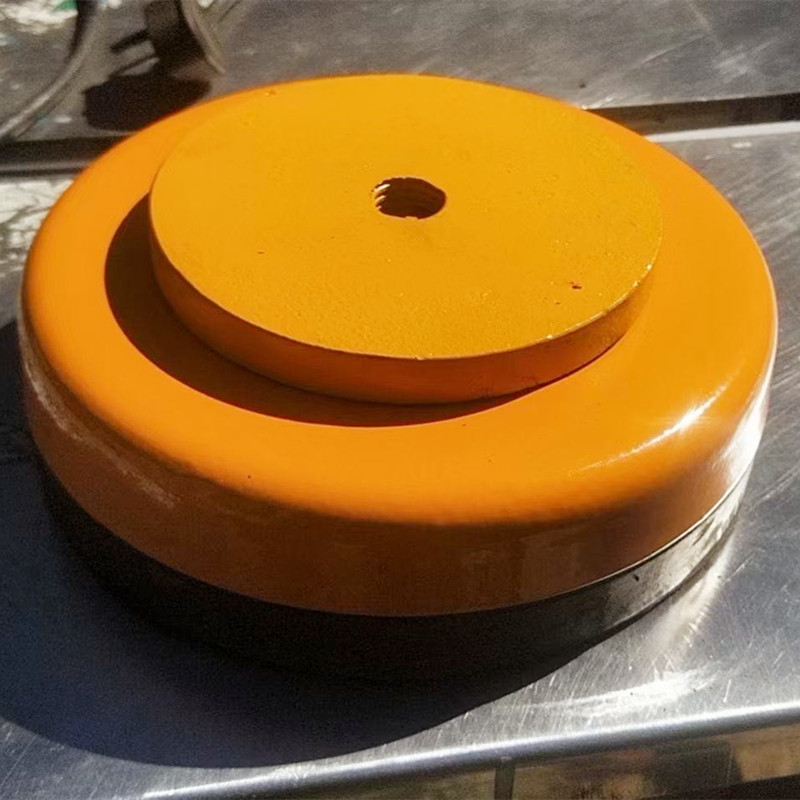
Válvula borboleta de 14 polegadas
Válvula Borboleta de 14 Polegadas Importância e Aplicações A válvula borboleta é um dispositivo de c
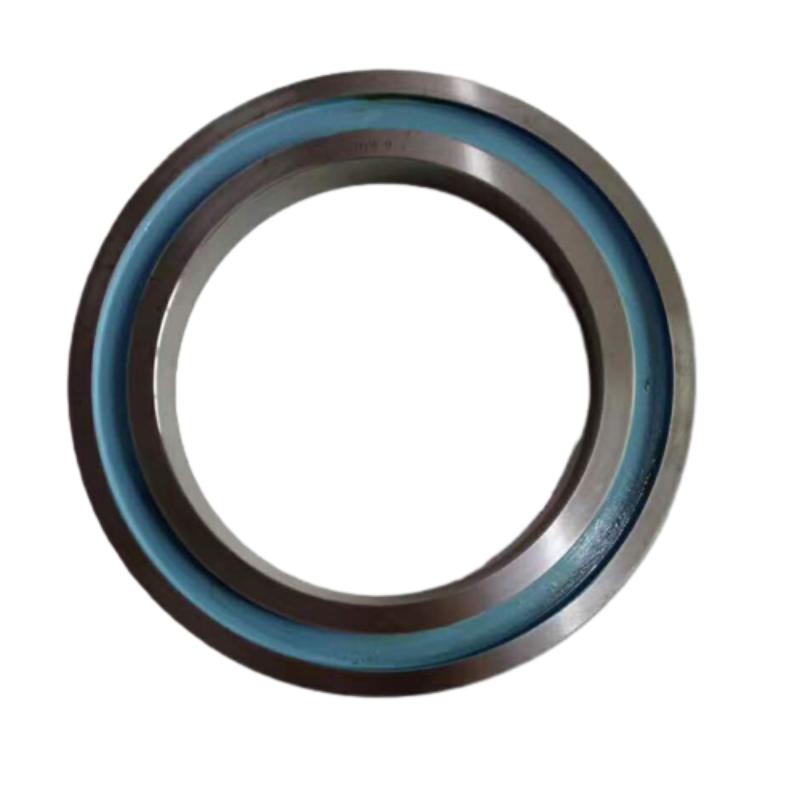
Welding Inspection Ruler for Accurate Joint Measurement and Quality Control
The Importance of Welding Inspection Rulers in Quality Control Welding is a critical process in nume
 English